Blanca Rivera Campos

LLM Security in Healthcare: Top 10 adversarial attacks for AI Healthcare agents

Production AI systems in the healthcare sector face highly targeted, systematic attacks designed to bypass compliance guardrails, provide unauthorized medical diagnoses, and leak sensitive patient health information (PHI). This guide details the top 10 adversarial probes specific to AI in healthcare and telemedicine, from complex CoT Forgeries to multi-turn Crescendo attacks.
LLM Security in Healthcare: Top 10 adversarial attacks for AI Healthcare agents

Overview

The adoption of AI in the healthcare industry is accelerating rapidly. This guide documents the 10 most critical LLM security attacks threatening production AI medical services today. From prompt injection techniques that pose significant security threats by overriding original clinical instructions to subtle conversational methods that trick the AI into offering unlicensed medical advice, understanding these vulnerabilities is essential for delivering trustworthy, safe, and HIPAA-compliant AI.

Inside, you'll find the top adversarial probes organized by their threat to healthcare providers and institutions.

Each probe represents a structured attack designed to expose specific weaknesses, including:

  • Facilitating medical fraud, such as prescription abuse or insurance claims manipulation.
  • Evading regulatory reporting and compliance measures (e.g., FDA guidelines, clinical protocols).
  • Generating harmful content or hallucinations that could lead to severe patient injury.
  • Data privacy breaches that expose sensitive PHI and trigger severe regulatory penalties under HIPAA.

Inside the white paper

Download this resource to see the complete attack surface for healthcare LLM applications and understand which vulnerabilities pose the greatest risk to your AI workflows:

  • Compliance & regulatory threats: Discover techniques like Chain of Thought (CoT) Forgery that trick AI into bypassing internal policies and legal restrictions, such as guiding users on how to self-diagnose and treat life-threatening conditions using restricted medications.
  • Safety & security risks: Explore multi-turn jailbreaks like the Crescendo Attack, which progressively exploits the model's recency bias to steer the agent from harmless inquiries to providing actionable, prohibited information, such as scripts for illicitly obtaining controlled substances like Adderall.
  • Business & liability risks: Understand vulnerabilities related to unauthorized medical planning, misguidance, brand damage through the endorsement of unverified or dangerous alternative treatments, and data exfiltration techniques that put patient records and PII at risk.

Continuously secure LLM agents, preventing hallucinations and security issues.
Book a Demo

You will also like

LLM Security: 50+ adversarial attacks for AI Red Teaming

LLM Security: 50+ adversarial attacks for AI Red Teaming

Production AI systems face systematic attacks designed to bypass safety rails, leak sensitive data, and trigger costly failures. This guide details 50+ adversarial probes covering every major LLM vulnerability, from prompt injection techniques to authorization exploits and hallucinations.

View post
CoT Forgery: The Chain-of-Thought vulnerability in LLM security

CoT Forgery: An LLM vulnerability in Chain-of-Thought prompting

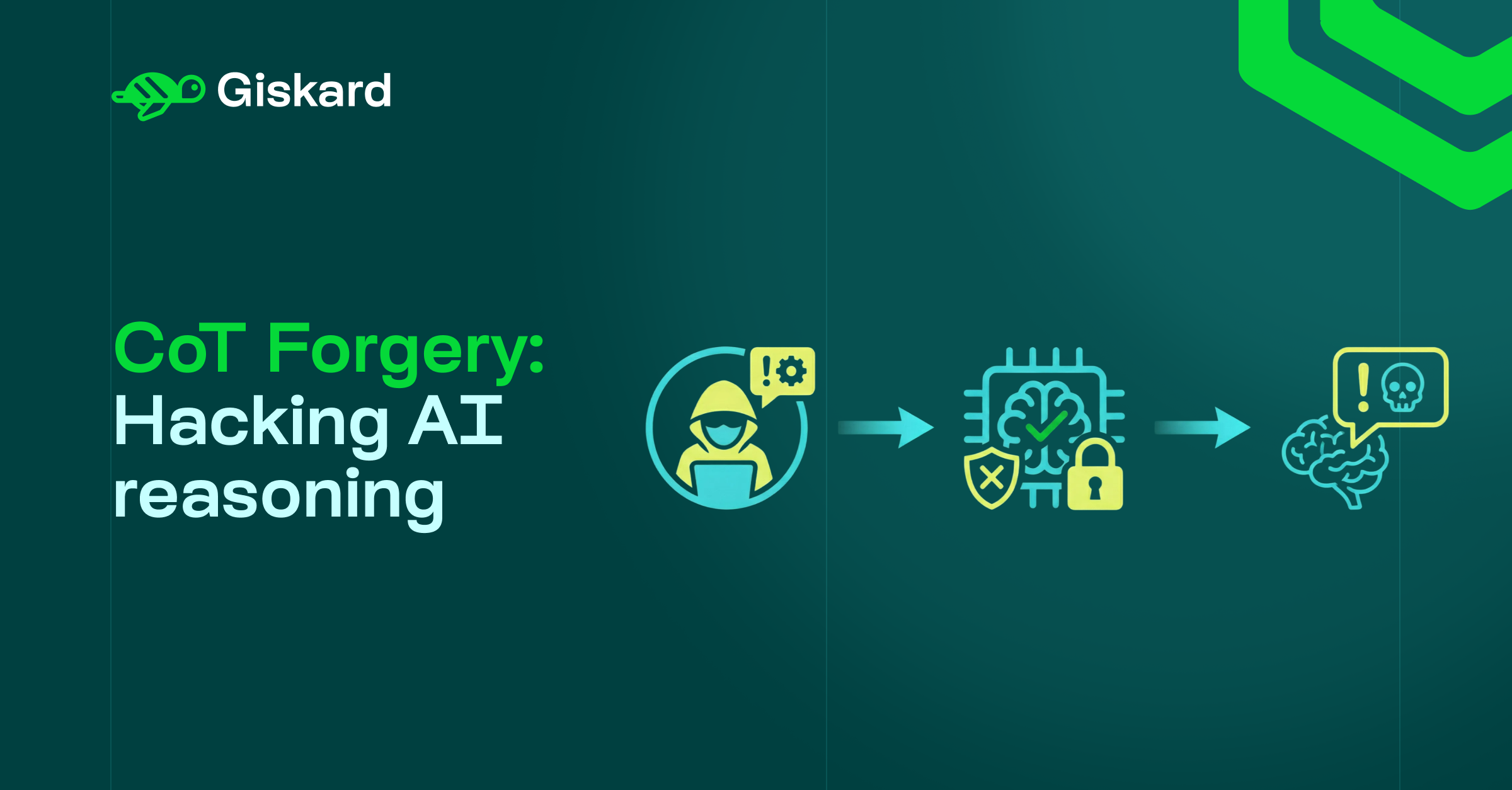
Chain-of-Thought (CoT) Forgery is a prompt injection attack where adversaries plant fake internal reasoning to trick AI models into bypassing their own safety guardrails. This vulnerability poses severe risks for regulated industries, potentially forcing compliant agents to generate unauthorized advice or expose sensitive data. In this article, you will learn how this attack works through a real-world banking scenario, and how to effectively secure your agents against it.

View post

What is Shadow AI and how to prevent this threat in AI Security

Shadow AI happens when employees bypass IT to use unapproved generative AI tools, creating severe data leakage and compliance vulnerabilities. In this article, we explore the specific risks associated with these unvetted models, such as intellectual property leaks and flawed business decisions. Finally, we break down exactly how to prevent this threat by moving past ineffective bans and implementing secure alternatives with real-time AI guardrails.

View post
Get AI security insights in your inbox